

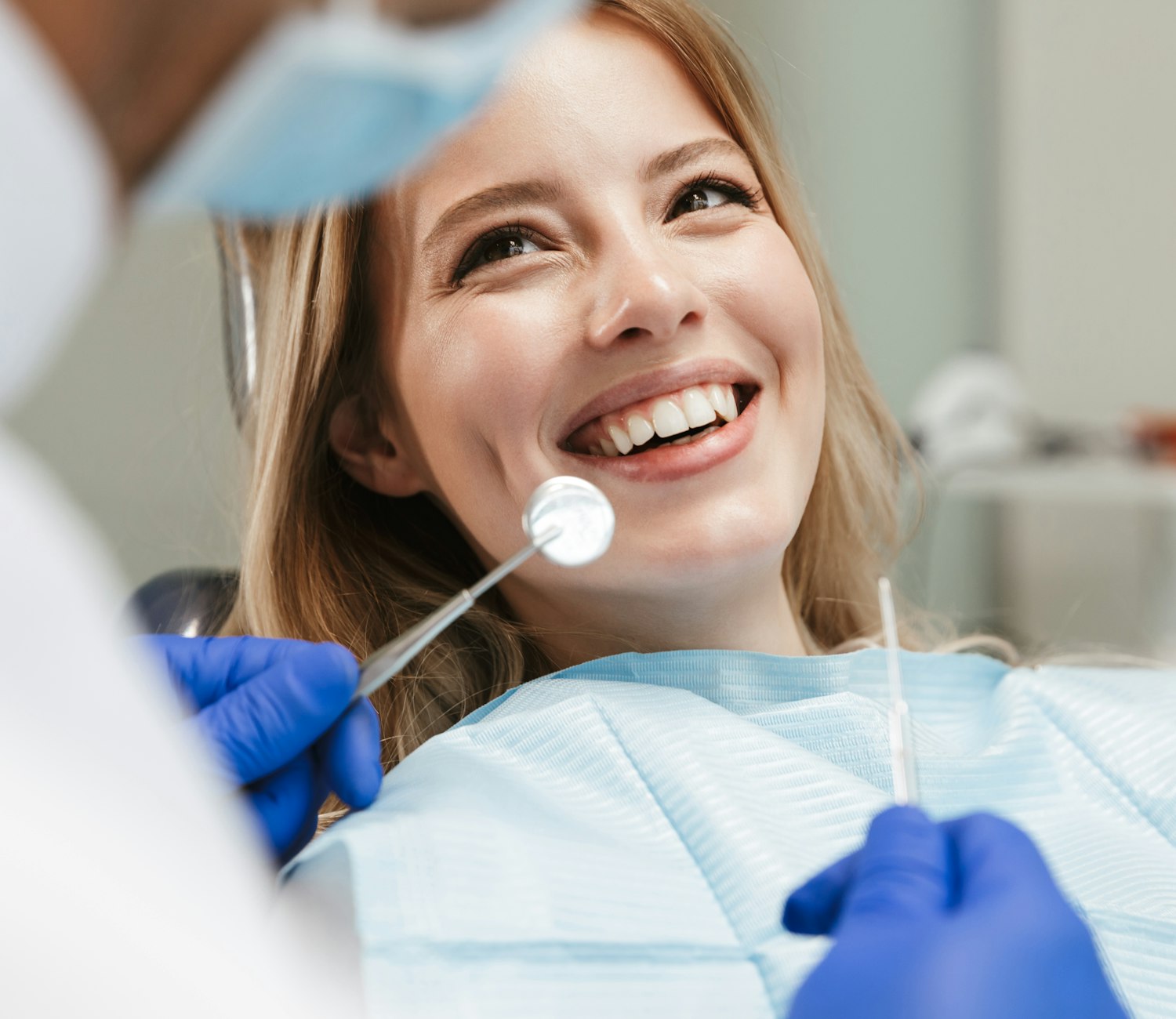
A natural smile is not the same as a perfect one. In practice, the most convincing cosmetic dental work is often the treatment people do not immediately notice. Teeth that suit the face, gums that look balanced, and bite changes that do not interfere with speech or eating usually matter more than extreme whiteness or a mathematically uniform shape. In London, where patients often want results that look polished but not artificial, dentists are increasingly focusing on subtle improvements rather than dramatic transformations. That shift has changed the conversation around veneers, whitening, bonding, aligners, and long-term maintenance.
The idea of a natural smile also reflects how people actually use their teeth. A smile is seen while talking, laughing, eating, and moving through daily life. That means successful treatment has to work from different angles and in different lighting, not only in a clinic photograph. Patients who want cosmetic work are often trying to solve practical concerns as much as aesthetic ones. They may want to soften edge wear, correct crowding that makes cleaning difficult, improve the colour of teeth darkened over time, or repair chips that draw attention when they speak.
As one cosmetic dentist from MaryleboneSmileClinic advises, patients should be cautious about pursuing trends rather than proportion. A good starting point is to discuss what suits the face, age, and existing dental structure before choosing a treatment plan. For readers comparing options, a consultation with a cosmetic dentist London provider should focus on preserving healthy enamel, maintaining function, and aiming for results that look believable in everyday settings rather than over-styled.
Start With Face Shape, Not Just Teeth
One of the most effective ways to achieve a natural smile is to stop looking at teeth in isolation. The lips, jawline, skin tone, gum display, and facial symmetry all affect how dental treatment appears. A tooth shape that looks excellent in a close-up image may seem too large or too sharp when seen in relation to the rest of the face. That is why experienced clinicians often assess smile design as part of a wider facial picture rather than selecting a standard template. In simple terms, the goal is harmony, not sameness.
This matters especially in cosmetic dentistry because natural teeth are rarely identical. There are small differences in edge shape, translucency, spacing, and surface texture. Those details prevent the smile from appearing flat or manufactured. When dentists design restorations that respect these variations, the result tends to look more realistic. In London clinics, there is growing demand for treatment that improves appearance while still allowing character to remain. Patients may want straighter, brighter teeth, but they often do not want a smile that appears copied from someone else.
A careful assessment at the beginning can prevent disappointing outcomes later. Dentists may look at the patient’s age, how much tooth shows at rest, how the upper lip moves when smiling, and whether there is existing wear that should influence shape. For example, very square front teeth may not suit every face, and extremely long front teeth can look unnatural if they dominate the smile line. Likewise, altering the visible width of teeth without considering arch shape can create a result that looks crowded or overly broad.
This facial approach also supports better communication between patient and clinician. Many people arrive saying they want “perfect teeth” when what they really mean is that they want to look healthier, younger, or less self-conscious. Once that is clarified, the treatment plan usually becomes more precise. A cosmetic dentist London practice that prioritises facial balance will often recommend smaller, staged changes instead of aggressive work completed in one step. That tends to produce better aesthetic control and a result that still looks like the patient, only improved.
Use Whitening Carefully and With Realistic Expectations
Tooth whitening remains one of the most popular cosmetic treatments because it can create a visible change without changing the tooth structure. It can lift stains caused by tea, coffee, red wine, smoking, or simple ageing, and when carried out properly it is often the most conservative way to refresh a smile. However, whitening is also one of the main reasons some smiles begin to look less natural. The issue is not the treatment itself but the expectation that teeth should become uniformly brilliant white regardless of age, complexion, or surrounding dental work.
Natural teeth are not one flat shade. They reflect light differently across the surface and often appear slightly darker near the gumline or more translucent at the edges. Over-whitening can erase those subtle visual cues and create a result that appears chalky, especially under bright lighting. A more convincing approach is to aim for a cleaner, fresher version of the patient’s own tooth colour. Dentists usually consider skin tone, lip colour, and the shades of any existing crowns or fillings before advising how far to go. This is particularly important because restorations do not whiten in the same way as natural teeth.
Whitening also works best when it is part of a broader plan rather than a quick standalone fix. If a patient has uneven edges, visible cracks, old stained bonding, or gum irritation, brightening the teeth may draw more attention to those issues rather than solving them. In that situation, sequencing matters. A dentist may recommend hygiene treatment first, whitening second, and only then minor restorative work to match the improved colour. That approach usually gives a more balanced finish.
Another important point is maintenance. Many patients are pleased with whitening initially but then lose the benefit because of inconsistent aftercare. Frequent staining foods and drinks, smoking, and poor cleaning habits can quickly reduce the effect. A realistic maintenance routine, combined with occasional professional review, helps preserve a natural result without repeated overuse. When whitening is handled conservatively, it can make the whole smile look healthier without signalling that extensive cosmetic work has taken place.
Straighten Before You Reshape
Alignment plays a major role in whether a smile looks natural. Even very small reductions in crowding or rotation can make teeth appear cleaner, more even, and more proportionate without the need to remove healthy enamel. For that reason, clear aligners and other orthodontic approaches are often an important first step in cosmetic planning. Rather than masking misalignment with larger restorations, dentists can reposition the teeth into a better place and then decide whether additional treatment is still necessary.
This principle is important because reshaping or covering crooked teeth without correcting their position can create bulk. Veneers or bonding placed over protruding or rotated teeth may have to be made thicker to compensate, and that can lead to a smile that looks heavy or less refined. By contrast, straightening first often reduces the scale of later cosmetic work. Some patients find they no longer need veneers at all once the teeth are aligned and whitened. Others may still want refinements, but the amount of intervention is usually smaller and more controlled.
Natural smiles also depend on function. Teeth that meet properly are easier to maintain and less likely to chip or wear unevenly after treatment. Orthodontic correction can improve bite balance, which matters when cosmetic work is expected to last. This is especially relevant for adults who have developed drifting, edge wear, or clenching patterns over time. Straightening is not simply about appearance; it can make future restorations more stable and easier to clean.
In a city where time matters, many adults are attracted to quick cosmetic fixes. Yet speed is not always the same as efficiency. Moving teeth into a healthier position may take longer than bonding or veneer preparation, but it often leads to a more believable and longer-lasting result. Patients who want a smile that does not look obviously treated are often better served by alignment-led planning, even when the changes needed seem minor at first glance.
Choose Additive Treatments Where Possible
One of the clearest shifts in modern cosmetic dentistry is the move towards additive treatment. This means building up or refining the teeth with as little removal of natural structure as possible. Composite bonding is a leading example. It can repair chips, close small spaces, adjust edge shape, and improve symmetry in a relatively conservative way. For the right patient, it offers a route to cosmetic change that preserves enamel and allows careful refinement over time.
A natural-looking smile often benefits from this restraint. When treatment is additive, the dentist can mimic the surface detail, contour, and translucency of real teeth without radically changing their underlying identity. Bonding can be especially effective when the goal is to soften wear, improve proportions, or harmonise one or two front teeth that draw attention. The best results are usually those where the work disappears into the existing smile rather than announcing itself.
That does not mean bonding is always the answer. It can stain, chip, or require polishing and maintenance, particularly in patients with heavy bite forces or habits such as nail biting. Veneers may still be more suitable in some cases, especially when there are significant shape discrepancies, deep discolouration, or older restorations that need a more stable aesthetic solution. The key point is that the treatment should fit the problem, not the other way around. A natural result depends on choosing the least invasive method capable of delivering a stable improvement.
This is where careful case selection becomes essential. Some patients need only slight contouring, whitening, and hygiene support. Others need a mix of alignment, gum management, and restorative work. The most convincing outcomes rarely come from a one-size-fits-all formula. They come from disciplined planning, material choice, and a willingness to preserve what is already healthy. That is increasingly what patients expect from reputable cosmetic care in London: not the biggest change possible, but the smartest one.
Pay Attention to Gums, Edges, and Surface Detail
People often think of smile aesthetics in terms of colour and straightness, yet natural appearance is strongly influenced by smaller details. Gum levels, edge contours, tooth texture, and the way light reflects from the enamel all contribute to realism. If these details are ignored, even expensive treatment can appear obvious. For example, front teeth that are all exactly the same length may look less natural than teeth with slight variation. Similarly, gums that appear swollen or uneven can make otherwise attractive teeth seem unbalanced.
Healthy gums are particularly important because they frame the smile. Redness, recession, or excess gum display can change how long or symmetrical the teeth appear. In some cases, improving gum health through professional cleaning and better home care makes a greater visible difference than cosmetic work alone. In others, minor gum contouring may be considered to improve proportions. Whatever the method, aesthetics and health are closely linked. A natural smile is difficult to achieve if the surrounding tissues look unhealthy.
Edge design is another overlooked area. The incisal edges of front teeth affect age, softness, and movement in the smile. Younger teeth often show subtle translucency and light reflection, while heavily flattened edges can age the smile. Cosmetic treatment that copies these details tends to look far more convincing than treatment that produces thick, opaque blocks of colour. Surface texture matters too. Real enamel has fine irregularities and reflective qualities that prevent the smile from looking artificial.
These nuances explain why natural-looking dentistry is often harder, not easier, than dramatic transformation work. It requires close observation and technical control. Patients may only notice that the final result “looks right,” but that impression usually depends on many small choices made well. For anyone considering treatment, it is sensible to ask not only about shade and shape, but also how the dentist approaches gum aesthetics, edge character, and the fine details that make a smile look real.
Plan for Longevity, Not Just the Reveal
A smile can look excellent on the day treatment finishes and still fail to look natural six months later if maintenance has not been considered. Longevity is one of the most practical tests of quality. Dental work sits in a demanding environment involving pressure, temperature change, staining, bacteria, and constant use. If the materials, bite, and aftercare plan are not properly managed, the result may chip, dull, or become difficult to keep clean. That is why the final step in achieving a natural smile is to think beyond the immediate cosmetic reveal.
Long-term success depends on routine habits. Daily brushing with the right technique, interdental cleaning, regular hygiene appointments, and management of clenching or grinding all influence how cosmetic work ages. Patients who invest in whitening, bonding, veneers, or aligners often protect that investment best when they also accept the maintenance phase as part of treatment rather than an optional extra. In practical terms, this may include retainers after orthodontics, polishing for bonded edges, review of bite wear, or replacement planning for older restorations.
There is also a broader psychological benefit to this approach. Patients who focus only on instant visual change can be disappointed by normal wear and shade fluctuation over time. Patients who understand that a natural smile should evolve realistically tend to stay more satisfied. Their expectations are based on health, comfort, and consistent presentation rather than permanent perfection. This is a more sustainable mindset and one that fits how dentistry actually works.
For many London patients, the best cosmetic outcomes come from combining modest treatment with disciplined upkeep. That combination often produces a smile that looks understated, healthy, and believable in professional and social settings alike. A good cosmetic dentist London patients trust will usually explain this clearly: the aim is not just to improve the smile for photographs or an event, but to create a result that continues to look appropriate and well cared for in everyday life. Natural smiles are rarely accidental. They are usually the product of restraint, planning, and maintenance carried out with consistency.

Comments are closed.