

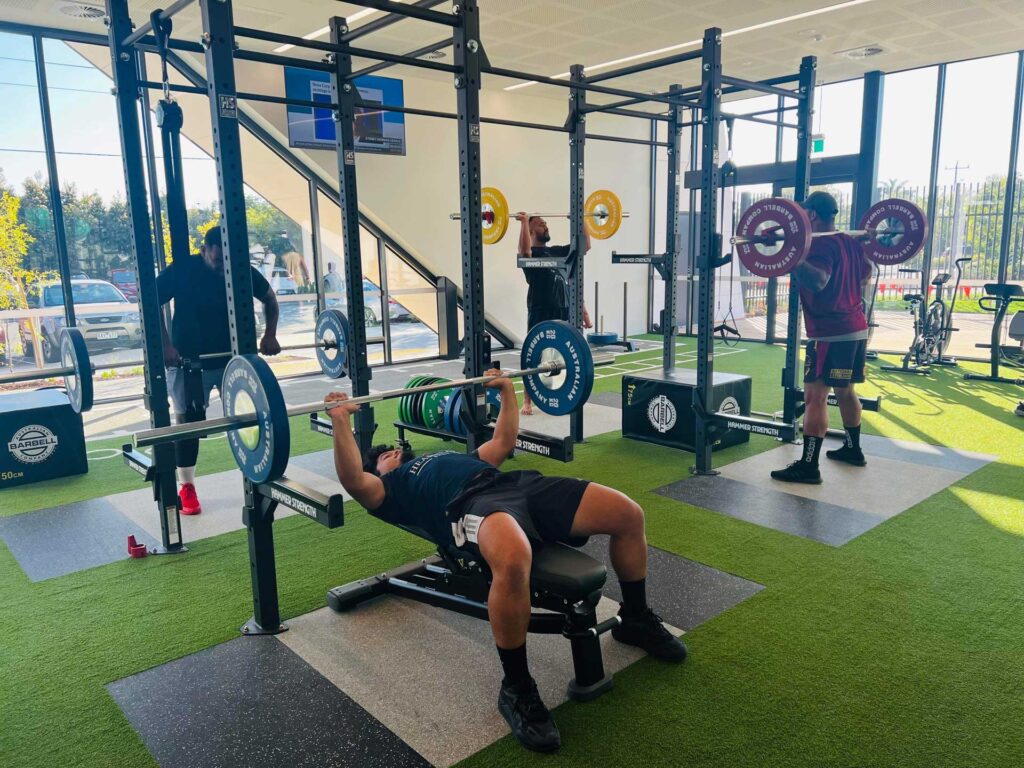
Most people approach a free gym in singapore trial as a consumer assessment exercise focused on facility evaluation: Is the equipment good? Are the staff friendly? Is the changing room clean? These are legitimate evaluations, but they represent only half of the information value available from a well-approached trial session. The other half lies in the fitness metrics that a trial session can establish as personal baselines, providing the starting point data that makes subsequent fitness progress measurable and the motivational fuel that sustains long-term training commitment.
Establishing meaningful fitness baselines during a trial session requires knowing which metrics are worth measuring, how to collect them accurately in a gym environment, and how to interpret them in the context of personal fitness development objectives. This knowledge transforms a trial session from a consumer evaluation into a genuine fitness assessment that delivers value independent of whether a membership is ultimately purchased.
Why Baseline Metrics Matter for Long-Term Fitness Motivation
The research on fitness adherence consistently identifies progress visibility as one of the most powerful predictors of long-term training consistency. Individuals who can see objective evidence of improvement in measured fitness parameters maintain training motivation through the difficult middle phases of a fitness programme significantly better than those who rely on subjective impressions of progress or on aesthetic changes that develop slowly and inconsistently.
Establishing accurate baseline metrics at the beginning of a fitness journey provides the reference points against which future improvements can be measured objectively. The strength of a baseline measurement as a motivational tool depends on its accuracy, its relevance to the individual’s fitness objectives, and the clarity with which future measurements demonstrate progress from that baseline.
The practical implication for free gym trial participants is that investing five to ten minutes in baseline measurement during the trial session creates a motivational infrastructure for subsequent training that continues to deliver value months and years later, long after the original trial has been forgotten as a consumer evaluation event.
Cardiovascular Fitness Baselines
Cardiovascular fitness baseline measurement during a gym trial provides some of the most practically useful long-term progress tracking data available, because cardiovascular adaptations to consistent training produce reliable, measurable improvements that are directly visible in simple cardiovascular metrics:
Resting heart rate: Resting heart rate measured before any exercise during the trial session provides a cardiovascular fitness baseline that will decline meaningfully with consistent aerobic training over subsequent weeks and months. Measuring resting heart rate by counting pulse for sixty seconds after five minutes of quiet rest, or using the heart rate monitoring equipment available at most Singapore gyms, provides an accurate baseline that requires no specialist equipment. A resting heart rate baseline of seventy-five beats per minute that declines to sixty-five after eight weeks of consistent training is a clear, objective demonstration of cardiovascular adaptation.
Submaximal exercise heart rate: Performing a standardised low-intensity cardiovascular exercise, such as ten minutes of treadmill walking at a fixed speed and incline, and recording the heart rate at the end of the bout provides a submaximal cardiovascular fitness indicator that will decline with training as cardiovascular efficiency improves. The same walking protocol performed at ten-week intervals produces lower heart rate responses as fitness develops, providing unambiguous progress evidence.
Heart rate recovery: Recording heart rate at the end of a moderate cardiovascular effort and again after two minutes of passive recovery provides a heart rate recovery metric that improves reliably with cardiovascular training. Faster heart rate recovery reflects improved autonomic nervous system regulation and cardiovascular efficiency that develops progressively with consistent aerobic training.
Strength and Movement Baselines
Strength baselines established during a trial session provide the most directly motivating progress metrics for the majority of gym-goers whose primary training objectives include strength development and body composition improvement:
Bodyweight movement quality assessment: Performing a bodyweight squat, a push-up, and a hip hinge movement in front of a mirror or with staff observation provides a movement quality baseline that documents starting postural and movement patterns. Repeating this assessment after several months of training reveals the movement quality improvements that consistent training and coaching produce, even when absolute strength numbers are not being tracked formally.
Relative strength indicators: Simple relative strength tests including maximum push-up repetitions, the number of bodyweight squats achievable in sixty seconds, and the number of seconds a plank position can be maintained provide strength and endurance baselines that require no equipment and can be performed safely during a trial session by individuals of all fitness levels.
Grip strength measurement: Many Singapore gyms have handheld dynamometers available for grip strength measurement, which research identifies as a reliable proxy for overall muscular fitness and a significant predictor of long-term health outcomes. Establishing a grip strength baseline during a trial session adds a clinically relevant fitness metric to the baseline profile at no additional time or equipment cost.
Body Composition Assessment
Body composition baseline measurement provides the most immediately meaningful data for trial participants whose primary objectives relate to body weight or body fat management. Most Singapore gyms offer body composition assessment through bioelectrical impedance analysis devices that provide estimates of body fat percentage, muscle mass, and body water distribution.
The limitations of bioelectrical impedance analysis are worth understanding when interpreting results: hydration status, time since last meal, recent exercise, and menstrual cycle phase all affect readings, and absolute values are less reliable than trends tracked under consistent conditions. For baseline purposes during a trial session, requesting the assessment under standardised conditions, specifically in the morning before eating or exercising, maximises the accuracy and future comparability of the reading.
Waist circumference measurement provides a simple, accurate, and clinically relevant body composition indicator that requires only a tape measure and is not subject to the hydration-related variability that affects bioelectrical impedance readings. Waist circumference reduction is associated with meaningful reductions in cardiovascular and metabolic disease risk, making it a clinically relevant baseline metric alongside aesthetic body composition goals.
Flexibility and Mobility Baselines
Flexibility and mobility baselines are the most frequently overlooked category of fitness measurement during gym trials, despite being among the most directly relevant to both injury prevention and the movement quality improvements that make strength training progressively more effective over time.
Simple mobility assessments including the standing forward fold distance, the overhead reach in standing, and the ninety-ninety hip position test provide accessible mobility baselines that require no equipment and clearly document the starting movement limitations that training and mobility work will progressively address.
TFX Singapore incorporates fitness baseline assessment into its free trial experience, recognising that the motivational value of objective progress measurement begins with the quality of the starting point data that the trial session establishes and that this measurement investment pays dividends across the full duration of a member’s training career.
Tracking Tools and Systems for Long-Term Progress
Establishing baselines during a trial session only produces motivational value if a tracking system is in place to capture the baseline data and allow future comparison measurements to be referenced against it. Several accessible tracking approaches serve this purpose:
A simple training log, whether paper-based or through a smartphone notes application, that records the baseline measurements from the trial session alongside the date and conditions of measurement provides the most basic but entirely adequate tracking infrastructure. More sophisticated approaches including dedicated fitness tracking applications, periodic professional fitness assessments, and wearable device platforms provide enhanced data richness but are not necessary for the core baseline-to-progress comparison that drives adherence motivation.

Comments are closed.