

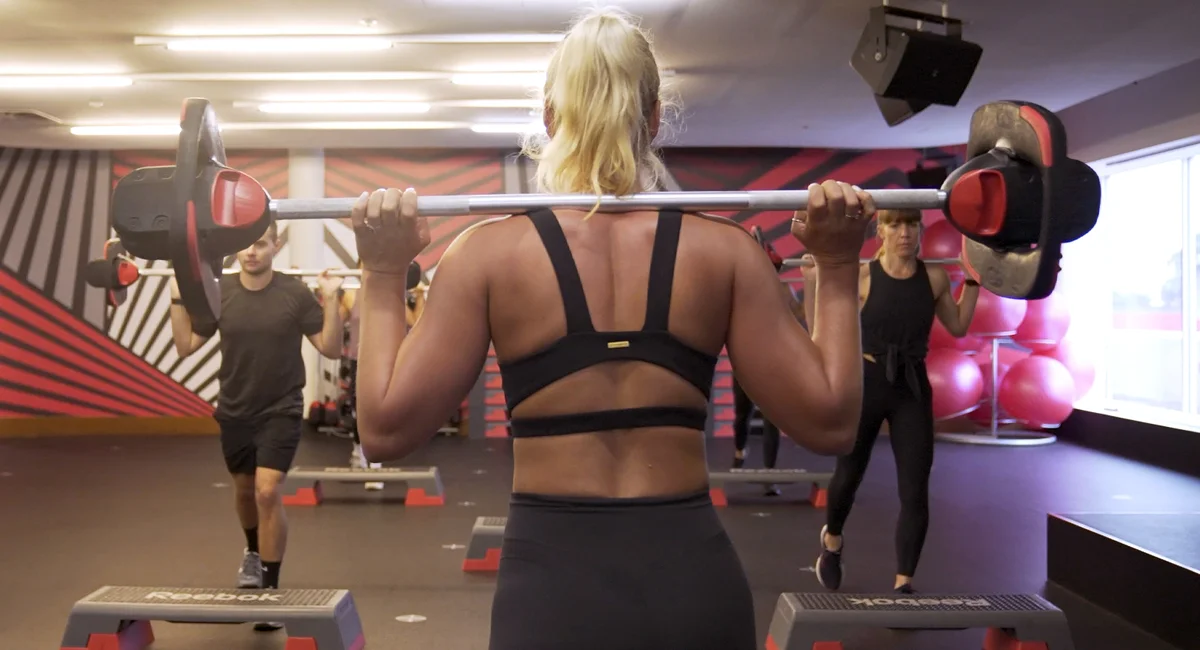
There is a version of gym culture that nobody really advertises. It is not the before-and-after photo or the personal record lift. It is the part where you sleep like you genuinely earned it, where the background noise of a stressful workday fades faster, and where your body feels settled in a way it did not before you started training consistently. For many regular participants, this is one of the most profound and least discussed benefits of attending a bodypump class week after week.
Singapore is not short on stress. Long working hours, high cost of living pressures, competitive academic environments, and the relentless pace of urban life create a population that is chronically activated. The sympathetic nervous system, which governs the fight-or-flight response, tends to stay switched on long after the actual stressor has passed. Understanding how structured group resistance training like BodyPump helps reset this system is not just interesting science. It is genuinely useful knowledge for anyone trying to function well in a demanding city.
The Nervous System After a Hard Day: Why You Cannot Simply Switch Off
When you experience stress, whether from a difficult meeting, a tight deadline, or the sensory overwhelm of a packed MRT during peak hour, your hypothalamic-pituitary-adrenal axis activates. This triggers the release of cortisol and adrenaline, which sharpen focus and mobilise energy in the short term. The problem is that modern stressors are rarely short term. They tend to persist across the day, keeping cortisol elevated for hours beyond what the body actually needs.
Chronically elevated cortisol disrupts sleep architecture, suppresses immune function, impairs memory consolidation, and contributes to visceral fat accumulation over time. It also increases inflammatory markers that have been linked to a wide range of chronic diseases. The body needs a reliable mechanism to discharge this accumulated physiological activation. Exercise, and specifically structured resistance-based exercise, is one of the most effective tools available for this purpose.
How Exercise Triggers the Parasympathetic Nervous System Response
There is a counterintuitive aspect to exercise and stress recovery that confuses many people. Exercise itself is a stressor. It raises cortisol, elevates heart rate, and creates metabolic demand. So how does it end up reducing stress rather than adding to it?
The answer lies in what happens after the exercise session ends. When the body recovers from a structured exercise bout, the parasympathetic nervous system, which governs rest and digestion, becomes dominant. Heart rate drops, breathing slows, cortisol begins to clear, and the body enters a state of active recovery that is neurologically distinct from the passive restlessness that often characterises a stressful evening on the couch.
BodyPump is particularly effective at triggering this post-exercise parasympathetic response for several reasons. The class has a defined beginning, middle, and end. It includes a structured cool-down and stretching track that actively signals to the nervous system that the effort phase is complete. The rhythmic, music-driven movements during the class also engage the prefrontal cortex in a focused way that temporarily displaces ruminative thought patterns, which are the mental loops that keep stress active long after the triggering event has passed.
Cortisol Regulation and the BodyPump Training Zone
Not all exercise modulates cortisol equally. Very high-intensity training, particularly when performed at or near maximum effort for extended periods, can actually elevate cortisol to counterproductive levels, especially in individuals who are already chronically stressed. This is one reason why extreme workout formats can sometimes leave participants feeling wired and exhausted rather than recovered.
BodyPump operates in a moderate to vigorous intensity zone that is challenging enough to trigger meaningful physiological adaptation but not so extreme that it drives cortisol into ranges that interfere with recovery. Research on resistance training and cortisol consistently shows that moderate-load, high-repetition training produces a transient cortisol spike during exercise followed by a significant drop below baseline in the hours following the session.
This below-baseline cortisol period in the afternoon or evening, depending on when you train, creates a biological window that is highly conducive to quality sleep onset.
The Direct Link Between BodyPump and Sleep Quality
Sleep science has advanced considerably in the past decade, and the relationship between structured physical exercise and sleep quality is now well established. Regular resistance training has been shown to improve multiple dimensions of sleep, including sleep onset latency, which is the time it takes to fall asleep, slow-wave or deep sleep duration, and overall sleep efficiency.
Deep sleep, also known as slow-wave sleep, is the stage during which the body conducts the majority of its physical repair and consolidation. Human growth hormone is secreted predominantly during deep sleep, and it is during this stage that muscle protein synthesis from the day’s training is most active. Regular BodyPump participants therefore benefit from a positive feedback loop: the training stimulus creates the need for deep sleep, and the physiological changes from training improve the quality of that sleep.
There is also evidence that the body temperature elevation caused by moderate exercise followed by natural cooling accelerates sleep onset. Core body temperature drops in the hours after a BodyPump session, which mirrors the temperature drop that naturally precedes sleep. This thermal alignment can make falling asleep easier and more natural on training days.
Oxytocin, Social Bonding, and the Group Fitness Advantage
One aspect of BodyPump that distinguishes it from solo gym sessions is the group environment. Exercising alongside others, even strangers, in a shared physical effort generates a measurable neurochemical response that solo training does not. Research on synchronised physical activity, which is movement performed in coordination with others, shows that it triggers the release of endorphins and oxytocin more reliably than the same activity performed alone.
Oxytocin, often described as the bonding hormone, has a well-documented anxiolytic effect. It reduces activity in the amygdala, which is the brain region most associated with fear and threat processing, and promotes feelings of calm and social safety. This neurochemical shift has a direct bearing on stress levels and emotional regulation in the hours following a group fitness session.
In the Singapore context, where social connection can sometimes feel secondary to productivity and performance, the weekly ritual of a BodyPump class with familiar faces and a shared physical challenge provides a meaningful dose of community that contributes to psychological wellbeing in ways that extend well beyond the physical workout itself.
Practical Recommendations for Maximising Sleep and Stress Benefits
The timing of your BodyPump session matters more than most people realise. Morning and lunchtime classes tend to align well with the body’s natural cortisol rhythm, which peaks in the early morning and declines through the day. Training during this window uses the cortisol surge productively and allows for full recovery before bedtime.
Evening classes, which are popular in Singapore given typical working hours, can still support sleep quality but benefit from a deliberate wind-down routine post-class. This includes avoiding screens for at least 30 to 45 minutes after arriving home, having a light protein-rich meal to support overnight muscle recovery, and keeping the bedroom cool to support the post-exercise temperature drop.
True Fitness Singapore offers BodyPump classes across multiple time slots to accommodate different schedules, which means participants can experiment with timing and identify the session that best supports their personal sleep and recovery patterns.
FAQ
Q: I feel more energised, not sleepy, after BodyPump. Is something wrong? A: Nothing is wrong. The post-exercise energy boost is a normal response to the adrenaline and endorphins released during training. This typically settles within one to two hours as the parasympathetic response takes over. If you consistently struggle to wind down after evening classes, consider shifting to a morning or lunchtime session.
Q: Can BodyPump help with anxiety, or is it mainly useful for physical stress? A: The neurochemical changes triggered by structured group exercise, including endorphin release, oxytocin from the group environment, and cortisol regulation, have measurable effects on anxiety symptoms. Research supports moderate-intensity resistance and cardiovascular exercise as an evidence-based complementary approach to anxiety management. It does not replace professional mental health support but can meaningfully support it.
Q: How quickly can I expect to notice improvements in sleep after starting BodyPump? A: Many people notice improvements in sleep depth and ease of falling asleep within two to four weeks of attending two or more sessions per week. The cumulative effect on cortisol regulation and nervous system tone builds progressively with consistent attendance.
Q: I have insomnia. Will exercising in the evening make it worse? A: The evidence is mixed for people with clinical insomnia. Some individuals with insomnia find evening exercise stimulating, while others find it helpful. A practical approach is to trial morning sessions first, establish consistency, and assess your sleep response before experimenting with evening classes. Always discuss exercise timing with your healthcare provider if you are managing a diagnosed sleep disorder.
Q: Does the music in BodyPump play a role in stress reduction? A: Yes, meaningfully so. Music activates the limbic system, which is the brain’s emotional processing centre, and has been shown to reduce perceived exertion and promote positive affect during exercise. The carefully curated BodyPump playlist is not incidental. It is a core part of the class design and contributes to both performance and the post-class emotional reset many participants report.

Comments are closed.