

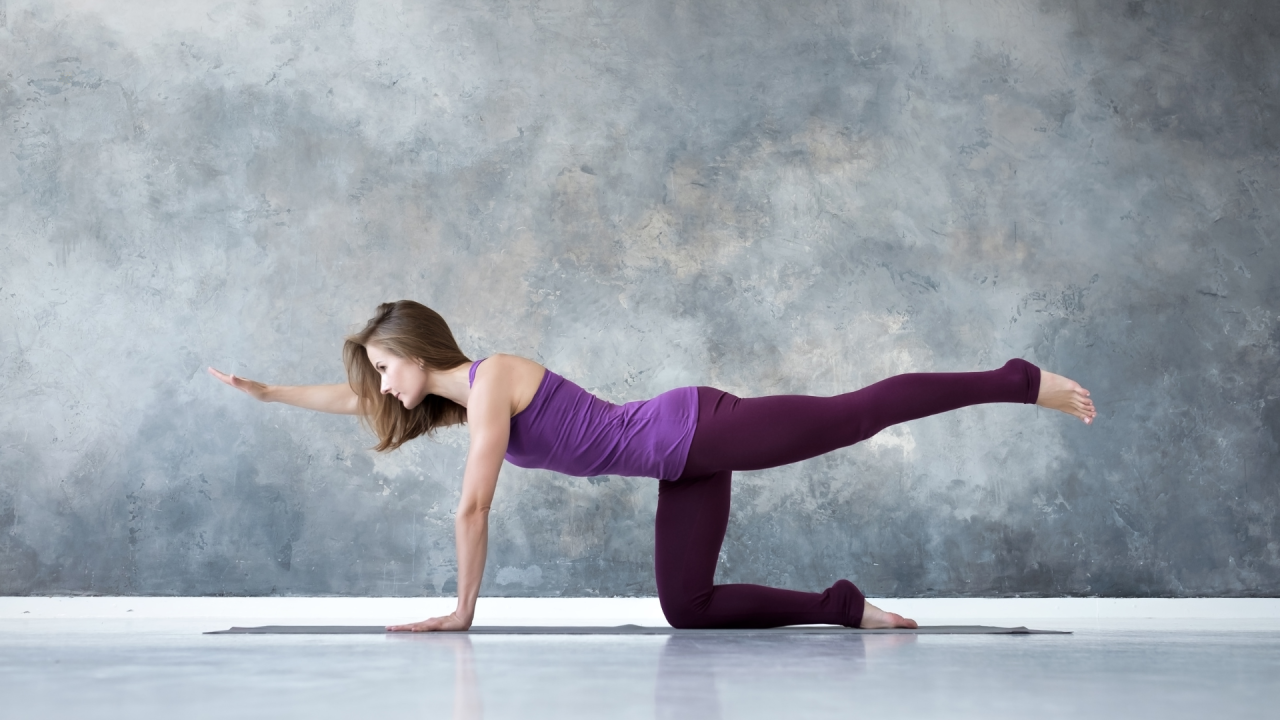
Poor posture has become increasingly common due to long hours of sitting, screen use, and limited movement variety. Over time, these habits can lead to muscle imbalances, joint discomfort, and reduced mobility. Yoga offers a practical and sustainable way to improve posture and body alignment by addressing both physical and mental components of how we hold ourselves.
Rather than forcing the body into “perfect” positions, yoga trains awareness, balance, and strength so posture improves naturally.
Understanding Posture and Alignment
Posture refers to how the body is positioned while sitting, standing, or moving. Alignment focuses on how bones, joints, and muscles stack and move in relation to one another.
Good alignment:
- Reduces unnecessary strain on joints
- Allows muscles to work efficiently
- Supports balanced movement patterns
Yoga emphasizes alignment not as rigidity, but as optimal organization of the body.
How Muscle Imbalances Affect Posture
Modern lifestyles often create tight muscles in some areas and weak muscles in others. These imbalances pull the body out of alignment.
Common patterns include:
- Tight chest and shoulders with rounded upper back
- Weak core muscles affecting spinal support
- Tight hips influencing pelvic position
Yoga helps restore balance by strengthening underused muscles while gently stretching tight ones.
Yoga Builds Postural Awareness
One of yoga’s greatest benefits for posture is increased body awareness. Many people slouch or lean without realizing it.
Through mindful movement and stillness, yoga teaches:
- How weight is distributed through the feet
- How the spine naturally curves and lengthens
- How small adjustments change balance
This awareness carries over into daily activities like sitting, walking, and working.
Strengthening the Muscles That Support Alignment
Good posture requires strength, not just flexibility. Yoga strengthens deep stabilizing muscles that are often neglected.
Key areas strengthened through yoga include:
- Core muscles that support the spine
- Upper back muscles that counter shoulder rounding
- Hip stabilizers that support pelvic alignment
Stronger support muscles make upright posture feel natural rather than forced.
Improving Spinal Mobility and Length
A stiff spine limits alignment options. Yoga encourages movement in all directions, improving spinal health.
Benefits to the spine include:
- Increased flexibility between vertebrae
- Reduced compression from prolonged sitting
- Improved ability to maintain neutral posture
Gentle spinal movements help restore natural curves and alignment.
Breath and Its Role in Posture
Breathing patterns influence posture more than many people realize. Shallow breathing often leads to tension in the neck and shoulders.
Yoga integrates breath with movement to:
- Encourage chest expansion without tension
- Support upright sitting and standing
- Reduce postural strain caused by stress
Efficient breathing promotes ease and balance throughout the body.
Posture Improvement Through Consistency
Postural changes don’t happen overnight. Yoga works gradually by retraining movement habits and muscular coordination.
With regular practice, people often notice:
- Less slouching during daily tasks
- Reduced neck and back discomfort
- Improved confidence and ease of movement
Consistency matters more than intensity when it comes to alignment.
Yoga vs. Corrective Posture Fixes
Unlike braces or posture-correcting devices, yoga improves posture from the inside out.
Yoga focuses on:
- Active muscular engagement
- Awareness-based correction
- Long-term habit change
This approach leads to sustainable improvements rather than temporary fixes.
FAQs About Yoga and Posture
1. How long does it take for yoga to improve posture?
Many people notice awareness changes within weeks, while physical alignment improvements develop over months of consistent practice.
2. Can yoga help with posture-related pain?
Yes. Improved alignment and muscle balance often reduce strain-related neck, back, and shoulder discomfort.
3. Do I need advanced poses to fix posture?
No. Basic poses and mindful alignment are often more effective than complex poses.
4. Is yoga safe for people with existing posture issues?
Generally yes, but modifications and gentle styles are recommended, especially for beginners.
5. Can yoga improve sitting posture at work?
Yes. Increased core strength and awareness often translate into better sitting habits.
6. How often should I practice yoga for posture benefits?
Practicing two to four times per week can produce noticeable improvements over time.
7. Does flexibility matter more than strength for posture?
Both are important, but strength is often the limiting factor in maintaining good posture.
Yoga improves posture not by forcing correction, but by teaching the body how to support itself efficiently. Through strength, flexibility, breath, and awareness, alignment becomes a natural expression of how the body moves and rests each day.

Comments are closed.