

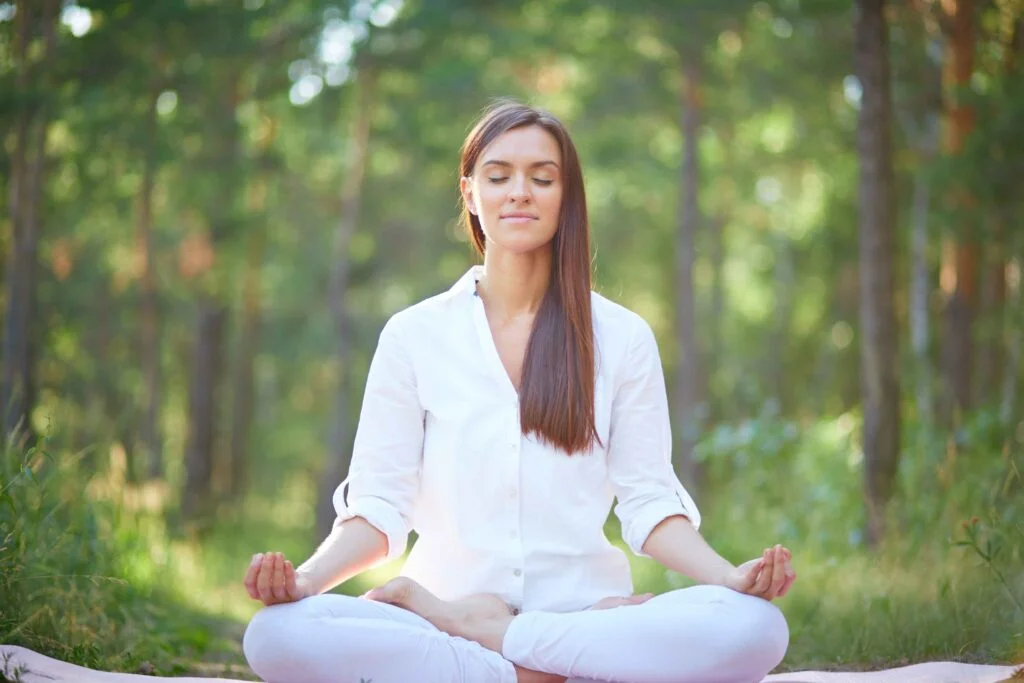
Meditation has moved from ancient tradition to modern science-backed practice. Once viewed as purely spiritual, it is now widely studied for its measurable effects on the brain, nervous system, and stress response. Understanding how meditation works biologically and psychologically explains why it has become a powerful tool for managing stress in everyday life.
Rather than eliminating stress, meditation changes how the body and mind respond to it.
What Happens in the Body During Stress
Stress triggers the body’s fight-or-flight response, releasing hormones like cortisol and adrenaline. This response is helpful in short bursts but harmful when activated too often.
Chronic stress can lead to:
- Elevated heart rate and blood pressure
- Muscle tension and fatigue
- Weakened immune response
- Difficulty concentrating and sleeping
Meditation works by interrupting this cycle and activating the body’s natural relaxation systems.
How Meditation Activates the Relaxation Response
Meditation stimulates the parasympathetic nervous system, which is responsible for rest and recovery.
This activation leads to:
- Slower breathing and heart rate
- Reduced cortisol production
- Lower blood pressure
- A sense of calm and emotional balance
Even brief meditation sessions can shift the body from a stress-dominant state to a calmer baseline.
The Brain Science Behind Meditation
Brain imaging studies show that meditation can physically change brain structure and function over time.
Key neurological effects include:
- Increased activity in areas linked to focus and emotional regulation
- Reduced activity in the amygdala, the brain’s fear center
- Strengthened neural connections involved in self-awareness
These changes help explain why regular meditation improves stress resilience rather than simply providing temporary relief.
Meditation and Emotional Regulation
Stress is not only physical—it’s emotional and cognitive. Meditation trains attention and awareness, allowing people to observe thoughts without reacting automatically.
This process helps:
- Reduce rumination and overthinking
- Improve emotional control
- Increase tolerance for discomfort
By creating space between stimulus and response, meditation reduces emotional reactivity under stress.
The Role of Breath in Stress Reduction
Many meditation practices emphasize breathing because breath directly influences the nervous system.
Slow, controlled breathing:
- Signals safety to the brain
- Lowers heart rate variability linked to stress
- Improves oxygen exchange
Breath-focused meditation is one of the fastest ways to induce a calm physiological state.
Consistency vs. Duration in Meditation Practice
Scientific evidence suggests that consistency matters more than session length.
Benefits are seen with:
- Short daily sessions (5–10 minutes)
- Regular practice over weeks or months
- Simple techniques focused on awareness
Long sessions are not required to experience measurable stress reduction.
Meditation’s Impact on Long-Term Stress Resilience
Beyond immediate relaxation, meditation improves how the body handles future stressors.
Long-term practitioners often show:
- Faster recovery after stressful events
- Lower baseline stress hormone levels
- Improved mental clarity under pressure
This makes meditation a preventative tool, not just a reactive one.
Types of Meditation Studied for Stress Relief
Several meditation styles have been researched for stress management.
Common evidence-backed approaches include:
- Mindfulness meditation
- Loving-kindness meditation
- Body scan meditation
- Focused attention meditation
Each method works through slightly different mechanisms but shares the goal of awareness and regulation.
FAQs About Meditation and Stress Relief
1. How quickly does meditation reduce stress?
Some people feel calmer after one session, while long-term stress reduction typically develops over weeks of consistent practice.
2. Can meditation lower cortisol levels?
Yes. Studies show regular meditation can reduce cortisol, the primary stress hormone.
3. Is meditation effective for everyone?
Most people benefit, though the experience and preferred techniques vary by individual.
4. Does meditation stop stressful thoughts completely?
No. It changes how you relate to thoughts, making them less overwhelming rather than eliminating them.
5. Can meditation replace other stress management methods?
Meditation works best as part of a broader stress management approach that includes sleep, movement, and healthy boundaries.
6. Is guided meditation as effective as silent meditation?
Yes. Guided meditation can be especially helpful for beginners and offers comparable stress-reducing benefits.
7. How long should I meditate to see brain changes?
Research suggests structural brain changes can occur after several weeks of regular practice.
Meditation is not about escaping stress—it’s about retraining the brain and body to respond more calmly and effectively. Backed by neuroscience and physiology, it offers a practical, accessible way to reduce stress and build long-term mental resilience.

Comments are closed.