

Joint health plays a crucial role in maintaining mobility, independence, and overall quality of life. Whether you’re managing aging joints, recovering from injury, or simply aiming to stay active without unnecessary strain, low-impact exercises offer a safe and effective way to strengthen muscles, improve flexibility, and reduce joint stress.
Unlike high-impact activities that involve jumping or sudden force, low-impact movements keep at least one foot on the ground or minimize load on the joints—making them ideal for long-term joint care.
Why Low-Impact Exercise Matters for Joints
Joints thrive on movement. Regular, controlled motion helps deliver nutrients to cartilage and keeps surrounding muscles strong enough to support joint structures.
Key benefits include:
- Improved joint lubrication and flexibility
- Reduced stiffness and inflammation
- Better balance and coordination
- Lower risk of joint degeneration over time
For people with arthritis, past injuries, or limited mobility, these exercises can make staying active both comfortable and sustainable.
Best Low-Impact Exercises for Joint Health
Walking
Walking is one of the simplest and most accessible joint-friendly exercises. It promotes circulation and strengthens the muscles that support the hips, knees, and ankles.
Tips for joint safety:
- Wear supportive shoes with cushioning
- Walk on even surfaces
- Start slow and gradually increase distance
Swimming and Water Aerobics
Water supports body weight, dramatically reducing pressure on joints while still allowing full-range movement.
Why water workouts shine:
- Minimal joint stress
- Natural resistance builds muscle
- Ideal for people with joint pain or stiffness
Cycling (Stationary or Outdoor)
Cycling strengthens the legs without the pounding associated with running.
Best practices:
- Adjust seat height to avoid knee strain
- Maintain a smooth, steady cadence
- Use moderate resistance
Yoga
Yoga emphasizes flexibility, balance, and controlled strength—all vital for joint health.
Joint-friendly benefits:
- Improves range of motion
- Reduces muscle tension around joints
- Enhances posture and alignment
Choose gentle or beginner-level styles if you’re new or managing joint discomfort.
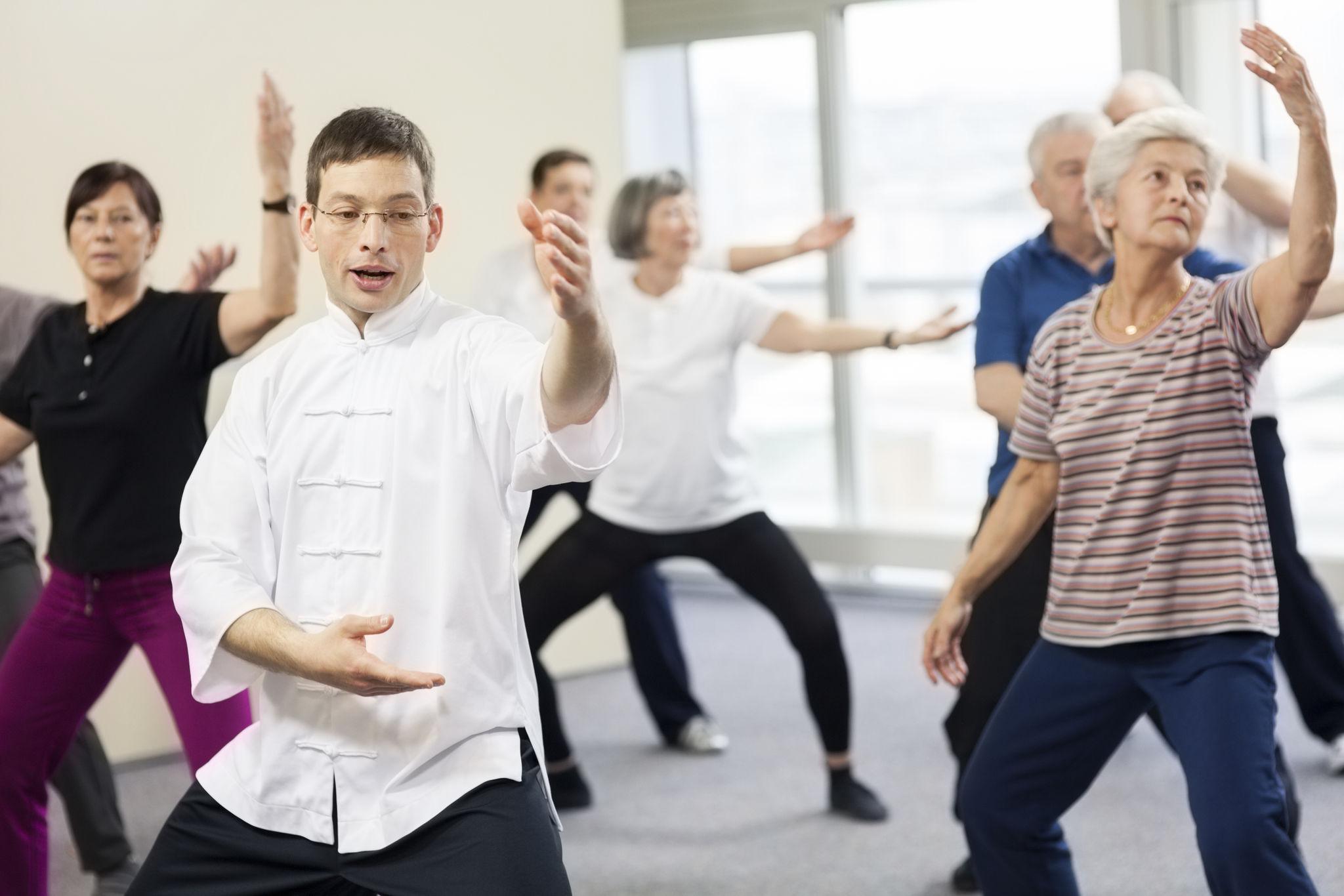
Tai Chi
Tai Chi involves slow, flowing movements that improve balance and joint control.
Why it’s effective:
- Encourages smooth, pain-free motion
- Enhances joint awareness
- Reduces fall risk in older adults
Resistance Band Exercises
Resistance bands provide muscle-strengthening benefits without heavy loads.
Advantages for joints:
- Adjustable resistance levels
- Controlled movement reduces strain
- Supports joint stability
How Often Should You Exercise for Joint Health?
Consistency matters more than intensity. Aim for 20–30 minutes of low-impact activity most days of the week. Even short, frequent sessions can significantly improve joint comfort and mobility over time.
Safety Tips to Protect Your Joints
- Warm up before exercising to prepare joints and muscles
- Move through pain-free ranges only—discomfort is a signal to stop
- Focus on form rather than speed or resistance
- Rest when needed, especially during flare-ups
Listening to your body is essential for long-term joint health.
Who Can Benefit Most from Low-Impact Exercises?
Low-impact workouts are suitable for:
- Older adults
- People with arthritis or joint pain
- Individuals recovering from injury or surgery
- Anyone seeking sustainable, joint-friendly fitness
These exercises aren’t limited by age or fitness level—they’re adaptable and inclusive.
FAQs About Low-Impact Exercises for Joint Health
1. Can low-impact exercises help reduce joint pain?
Yes. Gentle movement improves circulation and reduces stiffness, which can ease joint pain over time.
2. Are low-impact exercises enough to build strength?
Absolutely. When done consistently, they strengthen muscles that support and protect joints.
3. Is it safe to exercise during joint flare-ups?
Light movement may help, but intense activity should be avoided. It’s best to reduce intensity and focus on gentle range-of-motion exercises.
4. How long does it take to see improvements in joint mobility?
Many people notice reduced stiffness within a few weeks of regular low-impact exercise.
5. Can low-impact exercises prevent joint problems?
They can help slow joint wear and improve joint stability, which may reduce the risk of future issues.
6. Do I need special equipment for low-impact workouts?
Not necessarily. Many exercises use body weight, water, or simple tools like resistance bands.
7. Are low-impact exercises suitable for beginners?
Yes. They are often recommended as a starting point due to their low risk and adaptability.
Low-impact exercises are a practical, long-term solution for maintaining joint health. With the right approach and consistency, they support movement, reduce discomfort, and help you stay active at any stage of life.

Comments are closed.