

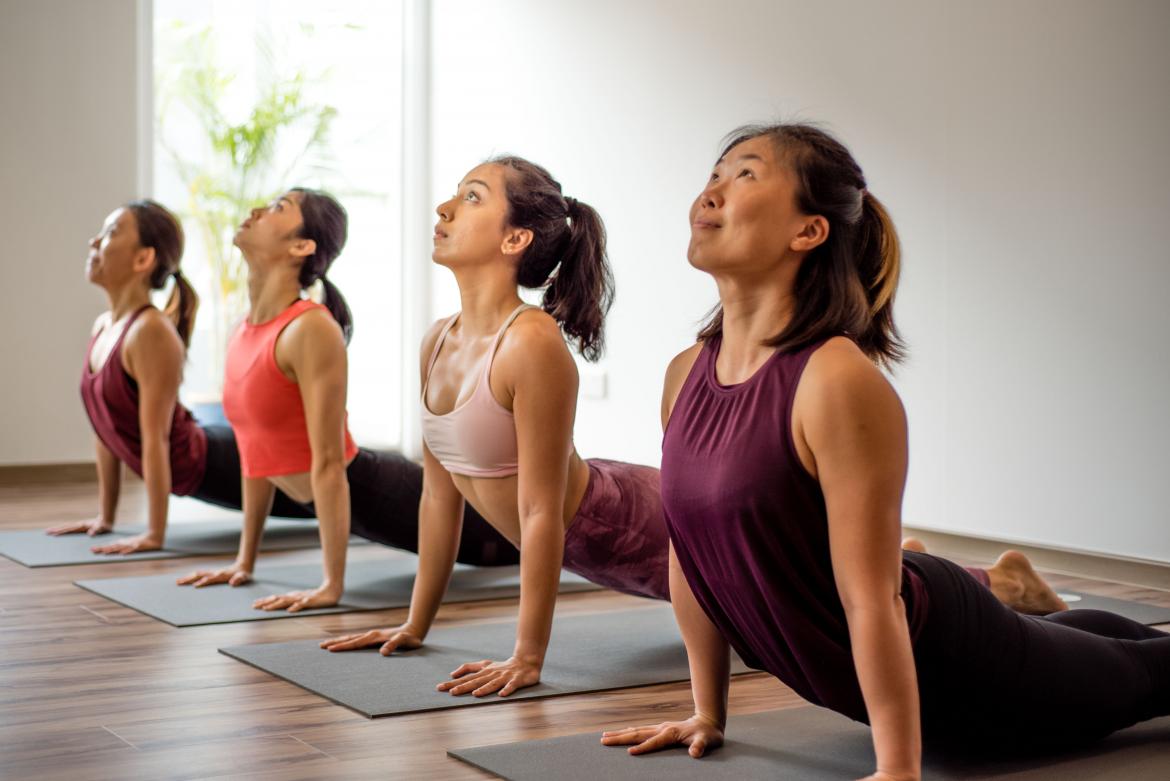
Modern life in Singapore places heavy demands on the body, especially on joints that were never designed for prolonged sitting, repetitive movements, and high mental stress. Many working adults notice stiffness in the knees, hips, shoulders, and lower back by their early thirties. These issues often appear quietly and worsen over time, eventually limiting movement, exercise options, and overall quality of life.
For people searching for a yoga studio near me, the goal is often not extreme flexibility or fitness trends. It is about protecting joints, moving safely, and maintaining physical independence well into later years. This article explores how structured, studio-based yoga supports joint longevity and injury prevention in ways that casual stretching or unsupervised workouts cannot.
Why Joint Health Declines Faster in Urban Lifestyles
Joint degeneration is not only associated with age. Lifestyle factors play a significant role, particularly in dense urban environments like Singapore.
Common contributors include:
-
Long hours of sitting with limited movement variety
-
Weak stabilising muscles around joints
-
Repetitive stress from running, cycling, or gym training
-
Poor movement awareness during daily activities
-
High stress levels that increase muscle tension
Over time, joints experience uneven loading. Some muscles become overactive, while others weaken. This imbalance places unnecessary strain on cartilage, ligaments, and tendons.
The Difference Between Mobility and Joint Stability
Many people confuse mobility with joint health. While flexibility is helpful, stability is what protects joints over the long term.
Mobility Without Control Can Increase Injury Risk
Excessive stretching without strength or awareness can lead to:
-
Joint laxity
-
Reduced proprioception
-
Increased strain during sudden movements
-
Higher risk of repetitive injuries
This is especially common in unsupervised home practice.
Stability Creates Safe Range of Motion
Healthy joints move freely within a controlled range. Stability allows muscles to support joints during movement and rest, reducing wear and tear.
Studio-based yoga focuses on:
-
Controlled transitions
-
Balanced muscle engagement
-
Awareness of joint positioning
This combination supports both mobility and protection.
How Studio-Based Yoga Protects Joint Health
A structured yoga studio environment offers specific advantages for joint safety and longevity.
Instructor Guidance and Real-Time Feedback
Joint alignment is subtle. Small adjustments can prevent long-term issues.
Instructors help by:
-
Correcting knee, hip, and shoulder positioning
-
Preventing collapse into joints
-
Encouraging safe weight distribution
-
Modifying poses based on individual needs
This feedback is difficult to replicate through videos or self-guided practice.
Progressive Sequencing for Joint Adaptation
Joints adapt slowly. Studio classes are designed to:
-
Warm tissues gradually
-
Introduce load in a controlled manner
-
Avoid sudden stress on cold joints
-
Balance effort with recovery
This progression allows connective tissues to strengthen without inflammation.
Balanced Use of the Whole Body
Many injuries occur because certain muscles dominate movement patterns. Studio yoga emphasises balanced activation.
Benefits include:
-
Reduced compensatory movement
-
Even load distribution across joints
-
Improved coordination and control
-
Better posture during daily activities
Joint-Specific Benefits of Regular Studio Yoga
Different joints respond uniquely to consistent yoga practice when taught correctly.
Knee Health and Lower Body Support
Knee pain is common among office workers and recreational athletes.
Studio yoga supports knee health by:
-
Strengthening surrounding muscles such as quadriceps and hamstrings
-
Improving hip mobility to reduce knee strain
-
Teaching proper alignment in standing poses
-
Enhancing awareness during transitions
This reduces unnecessary pressure on knee cartilage over time.
Hip Mobility Without Instability
Hips require both freedom and support.
Yoga helps by:
-
Releasing chronic hip tension
-
Strengthening deep stabilisers
-
Improving pelvic alignment
-
Supporting smoother walking and sitting mechanics
Balanced hips protect the lower back and knees as well.
Shoulder and Neck Protection
Shoulder injuries often develop due to desk posture and poor movement habits.
Studio yoga addresses this through:
-
Scapular stability work
-
Gentle strengthening of rotator cuff muscles
-
Awareness of shoulder positioning
-
Reduced neck tension through breath-led movement
Over time, this improves arm function and reduces chronic discomfort.
Why Home Stretching Alone Is Not Enough
Many professionals stretch at home when discomfort appears. While stretching can provide temporary relief, it rarely addresses the root cause.
Home routines often lack:
-
Consistent structure
-
Awareness of joint loading
-
Balanced strength development
-
Progressive adaptation
Studio yoga integrates stretching with strength and coordination, creating long-term joint resilience rather than short-term relief.
Injury Prevention for Active Professionals
Many people in Singapore balance yoga with running, cycling, gym training, or sports. Without proper joint care, overuse injuries become more likely.
Studio-based yoga complements other activities by:
-
Improving recovery between workouts
-
Enhancing movement efficiency
-
Reducing muscle imbalances
-
Teaching safe movement patterns
This allows professionals to stay active without accumulating damage.
The Role of Breathing in Joint Health
Breathing influences joint safety more than many realise.
Proper breathing:
-
Reduces unnecessary muscle tension
-
Improves movement control
-
Enhances body awareness
-
Supports smooth transitions between poses
Studio instructors integrate breath cues that help practitioners move with control rather than force.
Ageing Well Through Conscious Movement
Joint health becomes increasingly important with age. Loss of mobility and pain often limit independence later in life.
Regular studio yoga supports:
-
Maintenance of range of motion
-
Strong connective tissues
-
Better balance and coordination
-
Reduced risk of falls and injuries
These benefits compound over years of consistent practice.
Choosing a Practice That Supports Joint Longevity
Not all yoga styles prioritise joint safety. A thoughtful approach focuses on long-term sustainability rather than extreme shapes.
As your practice evolves, you may explore spaces like Yoga Edition, where structured class design and mindful instruction support joint health alongside flexibility and strength.
Making Joint Care Part of a Sustainable Lifestyle
Joint health is not built through occasional effort. It requires regular, intelligent movement that respects the body’s limits while encouraging gradual improvement.
Studio yoga creates a framework that:
-
Encourages consistency
-
Provides expert guidance
-
Adapts to changing physical needs
-
Supports lifelong movement quality
Over time, this approach helps professionals maintain an active, pain-free lifestyle.
FAQs
Q: Can yoga help prevent joint problems before pain appears?
A: Yes. Regular studio yoga improves alignment, strength, and movement awareness, which helps prevent joint issues before symptoms develop.
Q: Is yoga safe for people with previous joint injuries?
A: In many cases, yes. Studio instructors can offer modifications and guidance that support healing while avoiding aggravation.
Q: How often should I practise yoga for joint health?
A: Two to three sessions per week is often sufficient to see improvements, especially when combined with mindful daily movement.
Q: Does yoga replace strength training for joint protection?
A: Yoga complements strength training by improving control, balance, and joint awareness. Both can work together effectively.
Q: Can yoga reduce stiffness caused by long hours of sitting?
A: Yes. Studio yoga helps restore movement variety, improve circulation, and reduce chronic muscle tightness associated with prolonged sitting.
Q: Is slower yoga better for joint health than fast-paced classes?
A: Slower, controlled classes often offer greater joint benefits, especially for beginners to studio practice or those with existing stiffness.

Comments are closed.