

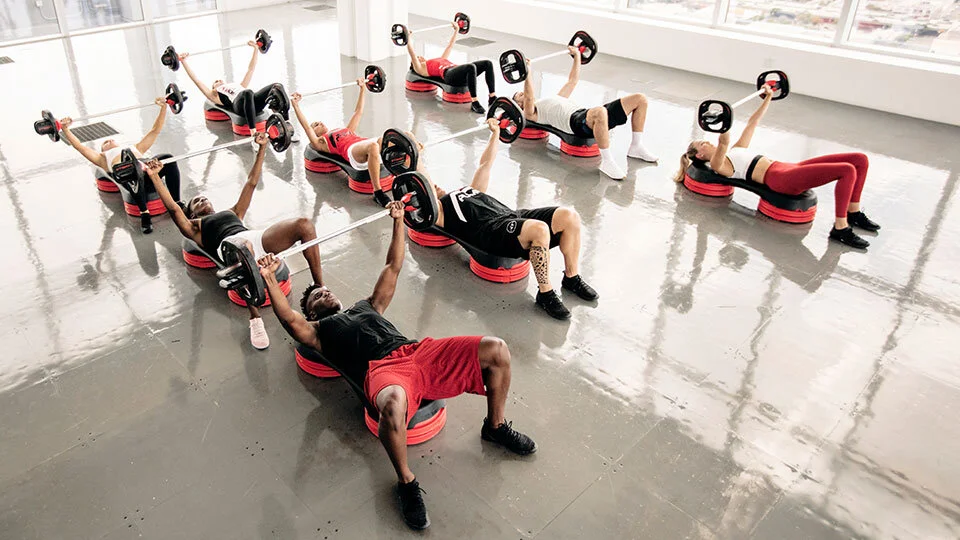
Strength training has taken on many forms in Singapore, but one programme that continues to stand out in gyms and studios is the bodypump class. Created by Les Mills in New Zealand, BodyPump has become a global fitness phenomenon, combining weight training, high repetition, and music-driven motivation into one powerful session. For fitness enthusiasts in Singapore, understanding the science behind BodyPump is key to seeing why this workout is effective not just for building strength but also for fat loss and overall conditioning.
Unlike traditional gym routines that focus on heavy lifting with low repetitions, BodyPump uses light to moderate weights with high repetitions in a structured format. This approach is based on principles of sports science that target endurance, muscle toning, and metabolic efficiency. When practised consistently, it helps participants achieve lean muscle definition while simultaneously burning significant calories.
Later in this article, we will also highlight how Singapore’s True Fitness plays a role in offering these classes and supporting members in their fitness journeys.
What Makes BodyPump Different from Traditional Training
BodyPump is not just another strength-training class. It is built on the science of high-repetition resistance training. While traditional strength training often prioritises lifting heavier loads with fewer reps, BodyPump flips this by using lighter weights performed across a large number of repetitions. A single BodyPump session can involve performing more than 800 repetitions across multiple muscle groups in just one hour.
This method of training does three critical things:
-
Improves muscular endurance by training the body to sustain effort over time.
-
Stimulates fat metabolism through extended periods of exertion, raising post-exercise oxygen consumption.
-
Engages multiple muscle fibres by continuously recruiting different parts of the body in each track, ensuring a balanced workout.
By combining strength and cardio-like intensity, BodyPump becomes a hybrid workout that appeals to busy Singaporeans seeking maximum benefits in minimal time.
The Role of Resistance Training in Body Composition
The foundation of BodyPump lies in resistance training, which is the use of external load (in this case, barbells and plates) to challenge muscles. Resistance training has been extensively studied and is linked to increases in lean body mass, bone density, and metabolic health.
In the BodyPump format, each track targets a major muscle group:
-
Squats for lower body power and calorie burn
-
Chest presses for upper body strength
-
Deadlifts and rows for the back and posterior chain
-
Shoulder presses for posture and stability
-
Lunges and biceps curls for isolation and toning
Unlike a general gym workout where exercises may be self-paced, the music and choreography in BodyPump ensure that resistance training is delivered in a structured, rhythm-driven way. This combination of science and entertainment keeps participants engaged and consistent, which is the most critical factor for long-term results.
The Science of High Repetition Training
At the heart of BodyPump’s effectiveness is its Rep Effect. This term, coined by Les Mills, refers to the physiological response when the body performs a high number of repetitions with controlled resistance. Instead of focusing solely on maximum strength, the Rep Effect develops muscular endurance and stimulates muscle fibres in a way that promotes lean muscle without bulk.
Why high repetitions work:
-
Muscle fibre recruitment
Performing many repetitions requires the activation of both slow-twitch (endurance) and fast-twitch (power) fibres. This dual recruitment increases muscle efficiency. -
Time under tension
BodyPump keeps muscles under continuous tension for longer durations compared to typical gym sets. This prolonged stimulus encourages muscular adaptation and strength endurance. -
Caloric expenditure
The sheer volume of work in a BodyPump class increases total calorie burn. Studies have shown that resistance training with higher volume boosts energy expenditure both during and after the session. -
Afterburn effect
Also known as excess post-exercise oxygen consumption (EPOC), the afterburn refers to the elevated calorie burning that happens for hours after a BodyPump class. This is due to the metabolic demand of repairing micro-tears in muscle tissue.
Fat Loss and BodyPump: How It Works
One of the biggest draws of BodyPump in Singapore is its reputation for helping people slim down while toning muscle. The fat-loss effect is achieved through several mechanisms:
-
High calorie burn during class: On average, participants can burn 300 to 600 calories depending on body weight, effort level, and fitness experience.
-
Increased metabolism post-class: The afterburn effect elevates calorie expenditure for up to 24 hours post-workout.
-
Muscle gain: More lean muscle means a higher resting metabolic rate, which translates to more calories burned even at rest.
The unique blend of cardio-like endurance and resistance-based training makes BodyPump a versatile tool for both weight management and fitness performance.
Evidence from Scientific Studies
The BodyPump method is not just theory; it is supported by peer-reviewed research. Studies conducted by exercise scientists have confirmed the benefits of high-repetition resistance training in improving body composition, muscular endurance, and cardiovascular health.
One study published in the Journal of Strength and Conditioning Research found that participants in high-repetition group resistance classes improved not only their strength endurance but also showed significant reductions in fat mass after consistent training. The structured progression and motivational format are key drivers in sustaining participation, which is often the biggest challenge in fitness.
Why Music Matters in BodyPump
An often-overlooked aspect of BodyPump’s success is its use of music. Each track is carefully choreographed to match specific beats per minute (BPM), guiding movement tempo and intensity. The psychology of music in exercise is powerful:
-
Faster tempos drive higher energy expenditure.
-
Synchronising movements with beats improves consistency and focus.
-
Familiar and motivating songs boost mood and encourage participants to push harder.
The result is a workout that feels engaging and less monotonous, which enhances adherence over time.
Maximising Your BodyPump Results in Singapore
For participants in Singapore, there are several practical ways to optimise outcomes from BodyPump:
-
Start light, progress gradually: Choose weights that allow you to complete all reps with good form before increasing load.
-
Stay consistent: Attend two to three sessions per week for sustainable progress.
-
Combine with nutrition: Lean muscle gain and fat loss require adequate protein intake, hydration, and balanced nutrition.
-
Listen to your body: Avoid overtraining by incorporating rest days and recovery strategies like stretching or yoga.
-
Track progress: Use fitness apps or wearables to measure calorie burn, endurance improvements, and strength gains.
Consistency and progressive overload remain the two cornerstones of results in BodyPump.
Real-Life Experiences from Singapore Participants
Many Singaporeans share how BodyPump transformed their fitness journeys. For working professionals, the efficiency of a one-hour class is invaluable. Some note how the group environment fosters accountability, while others appreciate the flexibility of class timings across various studios.
At True Fitness, instructors often guide beginners step by step, ensuring safe technique and motivating participants throughout the class. These real-world experiences demonstrate how BodyPump is not just a workout but also a community-driven experience.
FAQs About BodyPump
Q. How often should I attend BodyPump to see results?
Attending BodyPump two to three times weekly is recommended for noticeable strength and endurance improvements. More than four sessions may be excessive unless paired with adequate recovery.
Q. Do I need to lift heavy weights in BodyPump?
No. The format is designed for light to moderate weights with high repetitions. This approach prevents excessive bulk while improving muscle tone and endurance.
Q. How many calories can I burn in one BodyPump class?
On average, a one-hour class burns 300 to 600 calories, depending on individual factors like body weight and intensity.
Q. Is BodyPump suitable for all fitness levels?
Yes. Instructors provide modifications for beginners and advanced participants alike. You can start with minimal weight and increase gradually.
Q. Will BodyPump make me bulky?
Unlikely. The high-repetition approach encourages lean muscle growth, which enhances definition rather than bulk.
Q. How does BodyPump support long-term health?
Beyond muscle tone and fat loss, BodyPump supports bone health, posture, and cardiovascular endurance, all of which are critical for overall wellbeing.

Comments are closed.